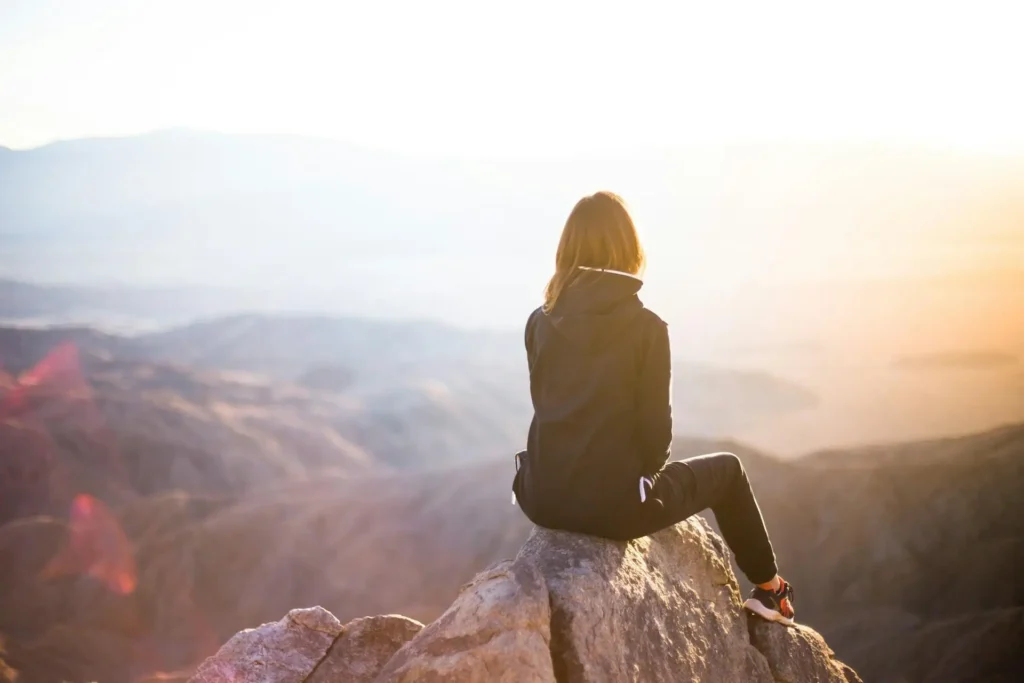
In a world that celebrates speed, fast itineraries, and ticking destinations off a checklist, slow travel offers a refreshing alternative. Instead of rushing from one landmark to another, slow travel encourages you to pause, observe, and truly connect with the places you visit. This approach transforms travel from a superficial activity into a meaningful experience that stays with you long after the journey ends.
The Essence of Slow Travel
Slow travel is not about how far you go but how deeply you experience where you are. It focuses on spending more time in fewer places, allowing you to understand local culture, traditions, and daily life. Rather than chasing famous attractions, you begin to notice the small details that define a destination. A quiet morning at a local cafe, a conversation with a shop owner, or a walk through a neighborhood street can offer insights that no guidebook can provide.
When you travel slowly, you begin to see places as living environments rather than tourist spots. This shift in perspective creates a stronger emotional connection with your surroundings and allows you to appreciate the rhythm of life in a new way.
Deeper Cultural Connections
One of the greatest advantages of slow travel is the opportunity to build genuine cultural connections. Instead of viewing a destination from the outside, you become a temporary part of it. You might learn a few local phrases, participate in community events, or try traditional cooking methods.
Spending more time in one place naturally leads to meaningful interactions. These interactions often become the most memorable parts of a journey. Even something as simple as sharing stories with locals can broaden your worldview. Platforms like photosvibes.com often showcase travel moments that capture these authentic connections, reminding us that the heart of travel lies in human experiences.
Reducing Travel Stress
Fast paced travel can be exhausting. Constant packing, strict schedules, and long commutes between attractions can turn a vacation into a stressful experience. Slow travel removes this pressure by giving you the freedom to move at your own pace.
Without the need to rush, you can enjoy each moment fully. You have time to rest, reflect, and adapt your plans based on how you feel. This flexibility leads to a more relaxed and enjoyable journey. It also allows you to discover unexpected places that are not part of typical travel guides.
Supporting Local Economies
Slow travel often involves staying in local accommodations, eating at neighborhood restaurants, and shopping from small businesses. This approach directly benefits local communities and helps sustain their economy.
By choosing local experiences, you contribute to preserving cultural heritage and traditions. For example, engaging with small enterprises or learning from local professionals can provide unique perspectives, much like how pedro vaz paulo it consulting emphasizes understanding systems deeply rather than superficially. The same principle applies to travel, where deeper engagement leads to richer outcomes.
Discovering Hidden Gems
When you are not bound by a tight schedule, you have the freedom to explore beyond popular tourist spots. This often leads to discovering hidden gems that are not widely known but equally fascinating.
A quiet village, a lesser known trail, or a small art gallery can offer experiences that feel personal and unique. These discoveries often become the highlights of a trip because they are unexpected and authentic.
In some cases, travelers come across local initiatives or programs that reflect the region’s identity, such as pmaygnicingramin, which may represent community driven efforts that showcase local development and culture. Observing such elements adds depth to your understanding of the destination.
Enhancing Personal Growth
Traveling slowly provides time for reflection. Without constant movement, you can process your experiences and think about what you are learning. This reflective aspect of travel often leads to personal growth.
You begin to notice how different lifestyles, values, and traditions shape people’s lives. This awareness can inspire changes in your own perspective and habits. Whether it is adopting a slower pace of living or appreciating simplicity, the lessons gained from slow travel often extend beyond the journey itself.
Even small cultural elements like language learning, such as exploring resources like 27 khadi hindi english, can deepen your engagement with a place and make interactions more meaningful.

Creating Lasting Memories
Memories created through slow travel tend to be more vivid and meaningful. Instead of remembering a list of places, you remember moments, feelings, and connections.
A conversation, a shared meal, or a peaceful sunset becomes a lasting memory because you had the time to fully experience it. These moments are not rushed or forced, making them more authentic and memorable.
Interestingly, even casual discoveries during travel, like hearing about apps such as snap troid from locals, can become part of your journey’s story, adding a layer of uniqueness to your experience.
A More Sustainable Way to Travel
Slow travel is also more environmentally friendly. By reducing the need for frequent transportation and focusing on local exploration, you minimize your carbon footprint.
Walking, cycling, or using public transport not only supports sustainability but also allows you to experience a destination more intimately. You notice details that you would otherwise miss when traveling quickly.
This approach aligns with a growing awareness of responsible travel, where the goal is to enjoy the world without negatively impacting it.
Conclusion
Traveling slow is not just a method but a mindset. It encourages you to value quality over quantity and experience over achievement. By taking your time, you open yourself to deeper connections, richer experiences, and meaningful memories. In a fast moving world, slow travel offers a chance to pause and truly appreciate the beauty of exploration. It reminds us that the journey itself is just as important as the destination, and sometimes, the best experiences come when we simply take our time.