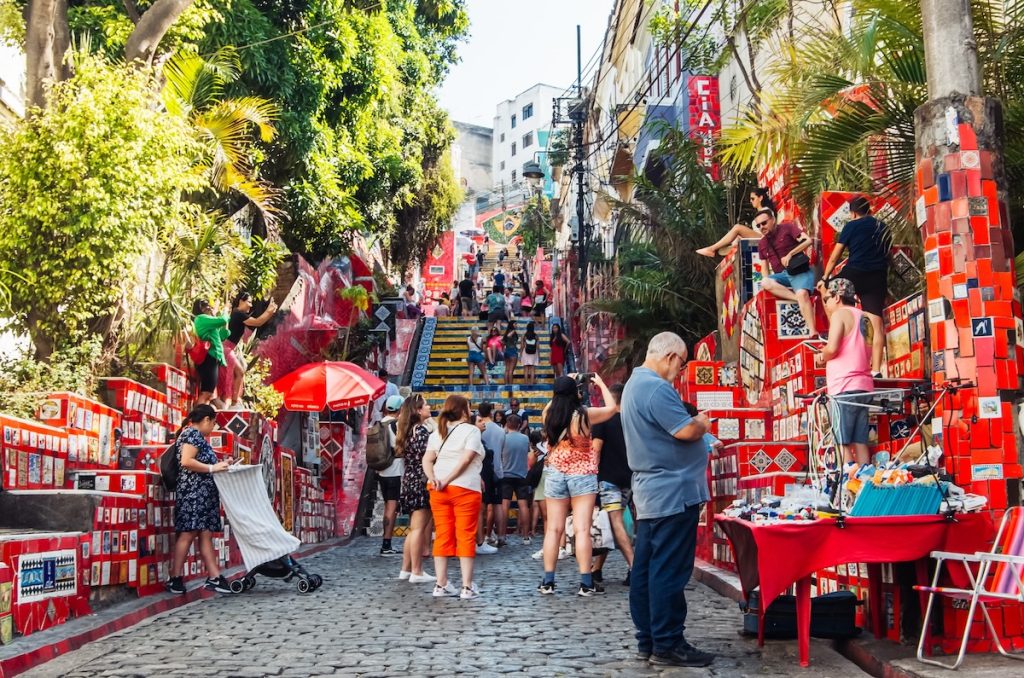
Travel is often planned around places that already have a reputation. Famous monuments, historic districts, beaches, museums, and observation points naturally find their way onto itineraries. Yet some of the strongest memories from a journey can come from places that never appear on a list of major attractions. An ordinary residential neighborhood, a small commercial street, or a quiet suburban corner can reveal a side of a destination that popular sightseeing areas rarely show.
These neighborhoods are not designed specifically for visitors. People are going to work, buying groceries, meeting friends, taking children to school, and completing everyday tasks. For travelers, observing this ordinary rhythm can create a surprisingly meaningful connection with a place.
Everyday Life Creates a Different Travel Experience
Tourist districts often present a carefully maintained version of a city. Ordinary neighborhoods offer something different. A morning walk might pass local bakeries preparing for the day, residents waiting for buses, small stores opening their shutters, and cafes serving regular customers.
These details may seem insignificant individually, but together they create a sense of place. They show travelers what daily life looks like beyond landmarks and organized experiences.
This contrast also reflects a broader feature of modern life. People increasingly move between physical communities and digital systems for routine activities. A resident might use services associated with Visit Mahabocw or another online platform while continuing with an otherwise completely ordinary day. For a traveler, recognizing these everyday patterns can make a destination feel less like a collection of attractions and more like a living community.
Local Markets Reveal the Personality of a Neighborhood
Markets and neighborhood shopping streets are particularly valuable for travelers who enjoy observing local culture. Unlike souvenir focused shopping areas, these places primarily exist for residents. The products on shelves, seasonal foods, conversations between customers and vendors, and even the busiest shopping hours can reveal local habits.
A small grocery store can sometimes teach a visitor more about regional food preferences than a restaurant created primarily for tourists. The same is true of bookstores, pharmacies, clothing stores, flower stalls, and family owned cafes.
Daily transactions increasingly include digital services as well. Platforms such as the Kaveri Online Portal illustrate the wider shift toward handling administrative activities online. Technology may change the way routine tasks are completed, but neighborhood streets still remain physical spaces where community life is visible.
Conversations Can Become Unexpected Travel Memories
Some memorable travel experiences begin without any planning. A traveler asks for directions and receives a restaurant recommendation. A shopkeeper explains a local ingredient. Someone at a bus stop suggests a park that visitors rarely discover.
These brief interactions can create a personal connection to an unfamiliar destination. They also expose travelers to topics that may have little connection to tourism itself. Local conversations could involve work, education, farming, transportation, or public programs such as the pm kisan tractor yojana. Hearing about everyday concerns provides a perspective that sightseeing alone cannot offer.
Travelers do not need to force conversations to gain this experience. Being polite, observant, and open to natural interactions is usually enough.
Residential Architecture Tells Its Own Story
Ordinary streets can also reveal the architectural history of a destination. Houses may show how families adapt to climate, available space, cultural traditions, and changing economic conditions. Older buildings may stand beside modern apartments, creating a visible timeline of neighborhood development.
Balconies filled with plants, courtyards, boundary walls, front gardens, building materials, and street layouts all contribute to local character. These details rarely receive the same attention as famous architecture, yet they can make a walk fascinating.
Even signs advertising digital resources or services such as pmmvyonline can become part of the contemporary visual landscape. Cities and towns constantly evolve, and seemingly ordinary streets often display that evolution more naturally than preserved tourist districts.
Slower Exploration Encourages Better Observation
Exploring a neighborhood works best when there is no pressure to complete a checklist. Walking slowly gives travelers time to notice sounds, smells, architecture, public spaces, and patterns of daily activity.
Technology can support this style of travel when used selectively. Maps can help visitors avoid getting completely lost, while informational resources such as digishakti.info demonstrate the broader presence of digital information in contemporary society. However, constantly looking at a screen can also prevent travelers from noticing what is directly around them.
Leaving some room for uncertainty can be rewarding. A side street might lead to a peaceful park, a tiny cafe, a mural, or an unexpectedly beautiful view.
Respect Matters When Exploring Local Areas
Residential neighborhoods are communities first and travel experiences second. Visitors should respect private property, avoid photographing people without appropriate consideration, keep noise under control, and follow local customs.
Supporting independent businesses can also make neighborhood exploration more meaningful. Buying coffee from a local cafe, eating at a small restaurant, or purchasing something from a neighborhood shop allows travelers to participate in the local economy without turning the area into an attraction.
The Memories That Stay After the Trip
Famous landmarks often provide the photographs travelers expect to bring home. Ordinary neighborhoods provide something less predictable. They offer glimpses of daily routines, spontaneous conversations, unfamiliar foods, distinctive architecture, and small moments that cannot easily be scheduled.
Months or years later, a traveler may forget the details of a crowded attraction but clearly remember a quiet street walked at sunset, a neighborhood bakery discovered accidentally, or a conversation with someone they never expected to meet. Sometimes the most ordinary part of a destination becomes extraordinary simply because it allows travelers to experience a place as it actually lives.